ILLUSTRATED GLOSSARY · COATS & JACKETS
Types of coats and jackets.
Coats are named by their construction: how they close, the collar, the length and what they're made of. These eight cover most of what you'll find in a shop.
Updated · By the Delve to Life editors · Editorial standards
THE QUICK ANSWER
If you only remember one thing, look at how it fastens. A belt and no buttons is a wrap coat; two rows of buttons is double-breasted (a peacoat or trench); a zip with ribbed edges is a bomber.
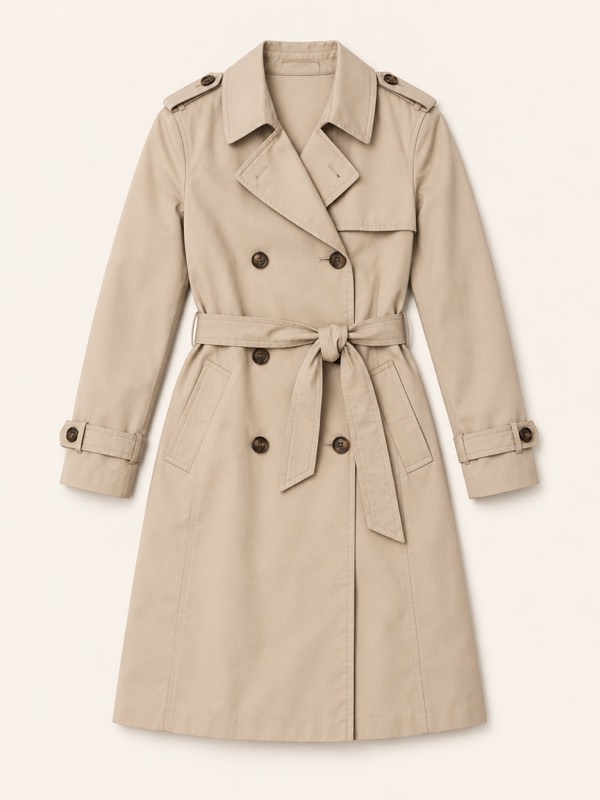
Trench coat
A belted, usually double-breasted raincoat with a storm flap.
How to spot it. Belt at the waist, shoulder straps (epaulettes), a flap across one shoulder and often a buckled cuff. Cotton gabardine, often stone or khaki.
How to wear it. Spring and autumn over almost anything. Tie the belt behind you if you prefer a looser line.
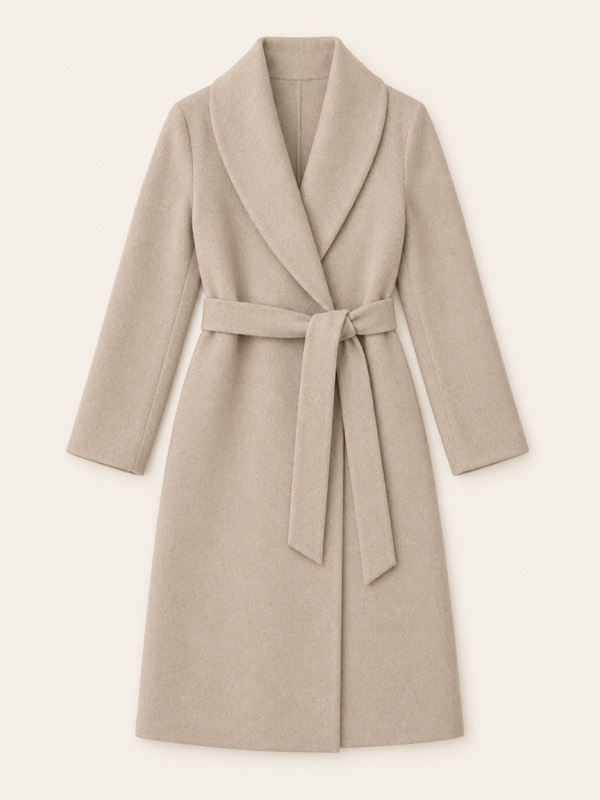
Wrap coat
A soft coat with no buttons, closed by a tie belt.
How to spot it. One side wraps over the other and a belt holds it. Wide, shawl-like lapels.
How to wear it. Relaxed but polished over knits and trousers. The belt gives shape over bulky layers.
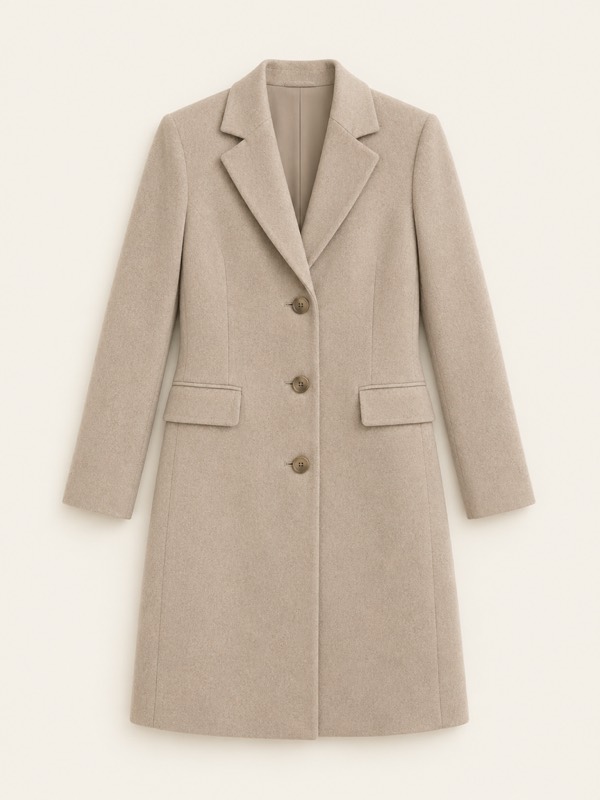
Overcoat
A tailored, knee-length wool coat with lapels like a blazer.
How to spot it. Single row of buttons, notch lapels, straight cut, usually to the knee. Also called a Chesterfield or tailored coat.
How to wear it. The most versatile winter coat: over suits, jeans and dresses. Size it so it closes over your thickest knit.
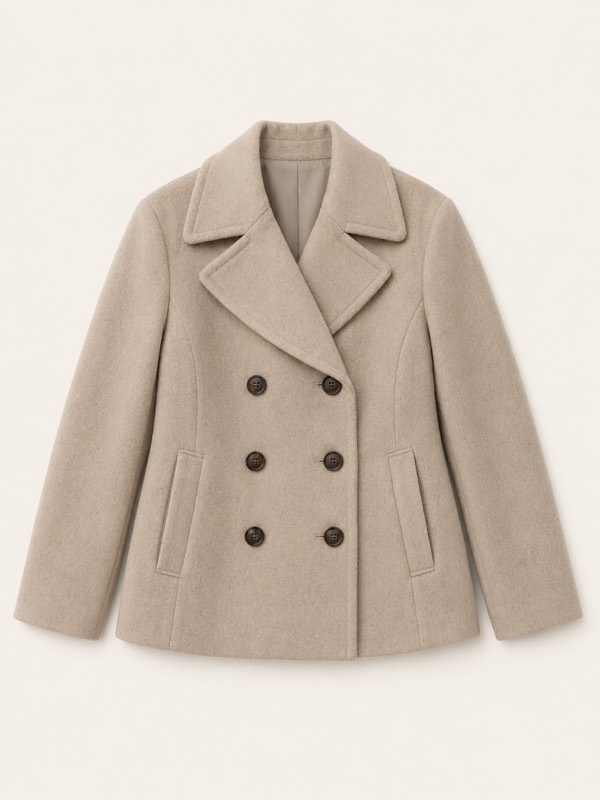
Peacoat
A short, double-breasted wool coat with wide lapels.
How to spot it. Hip length, two rows of buttons, broad lapels. Traditionally navy melton wool.
How to wear it. Good with jeans and boots. Shorter length works well with wide trousers.
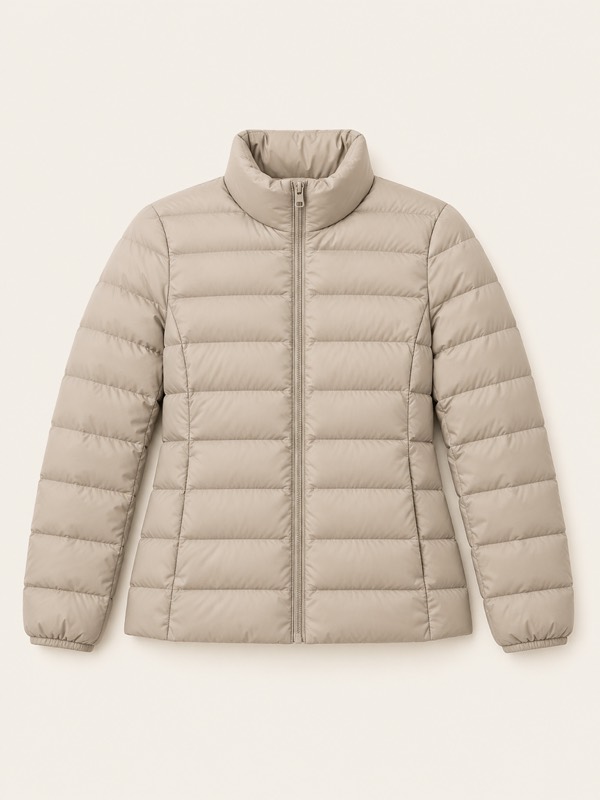
Puffer jacket
A quilted jacket padded with down or synthetic fill.
How to spot it. Stitched channels (baffles) that puff out between the seams. Often a stand collar or hood.
How to wear it. Warmth for very cold days. A longer puffer covers more; a cropped one balances wide trousers.
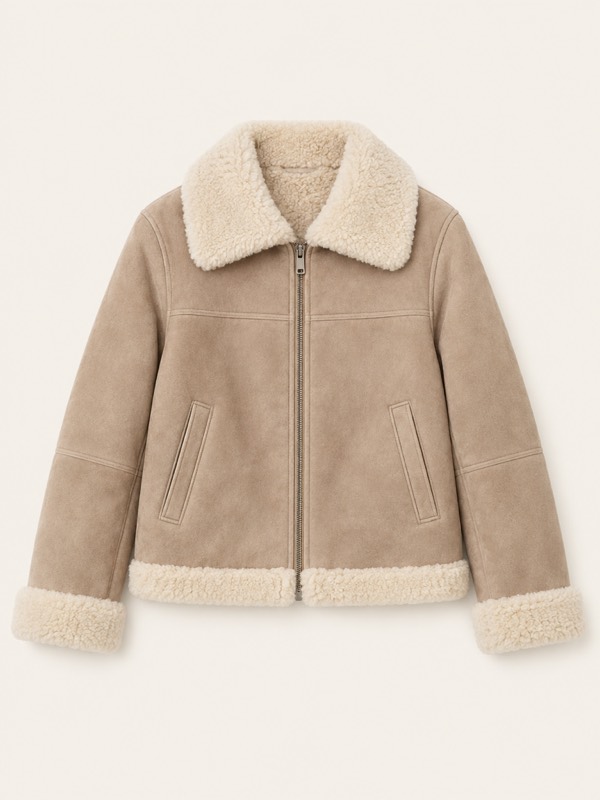
Shearling jacket
Suede or leather lined with fleece that shows at the collar and cuffs.
How to spot it. Fluffy, cream-coloured lining visible on the collar and cuff edges. Faux versions are often labelled sherpa.
How to wear it. Warm and casual with denim. Keep the rest of the outfit plain; the texture is the point.
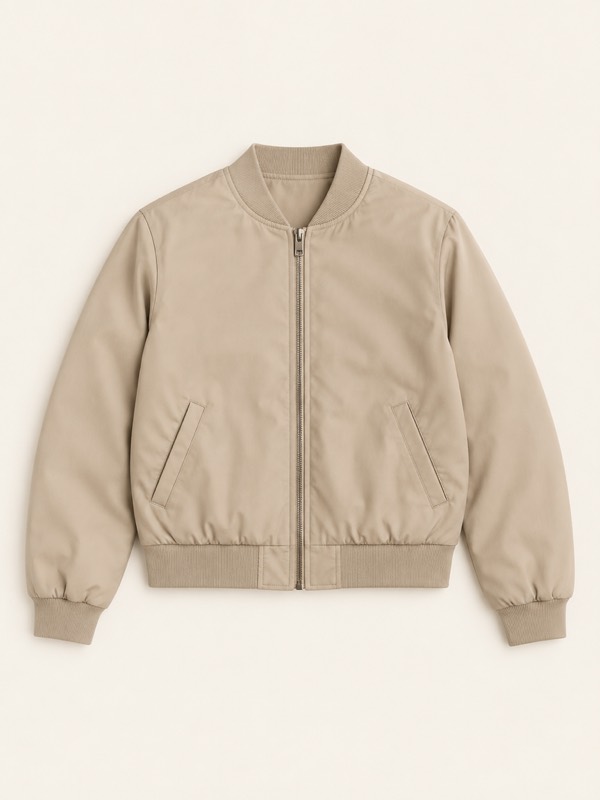
Bomber jacket
A short zip jacket with ribbed collar, cuffs and hem.
How to spot it. Waist length, front zip, stretchy ribbing at the edges. Nylon, wool or leather.
How to wear it. Casual layer over T-shirts and hoodies. Good with straight or tapered trousers.
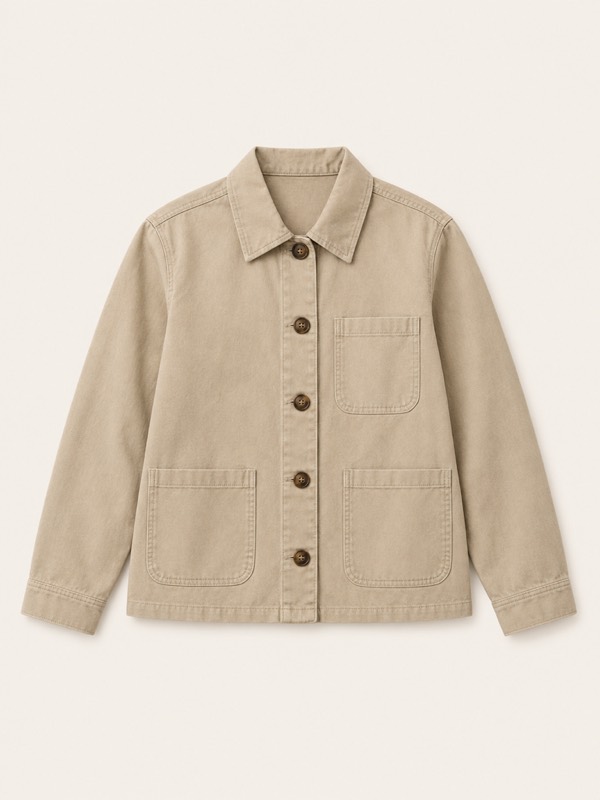
Chore jacket
A boxy workwear jacket with patch pockets and buttons.
How to spot it. Shirt-like collar, three or four patch pockets, straight cut. Cotton canvas or twill. Also called a chore coat.
How to wear it. A light layer for spring and autumn, or over a knit. Pairs easily with jeans and chinos.
Easily confused
| Pair | The difference |
|---|---|
| Trench vs wrap coat | Both often have belts. A trench has buttons, shoulder straps and a storm flap; a wrap coat has no buttons at all. |
| Overcoat vs peacoat | An overcoat is knee length with one row of buttons; a peacoat is hip length and double-breasted. |
| Shearling vs sherpa | Shearling is sheepskin with the wool left on; sherpa is a fleecy synthetic that imitates it. |
Still not sure what yours is called? Tap through the pictures, or add a screenshot, and we'll name it and find real ones.
Describe it with picturesThe illustrations on this page are AI-generated so each style can be shown in the same colour, angle and light. They are not products.